Home
Subcategories
-
Live Insects
A variety of different stick insect species - care guides are available for all within the Attachments tab against each of them.
-
Jungle Nymphs
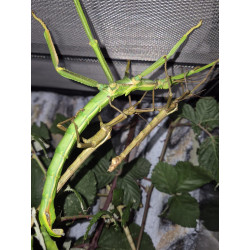
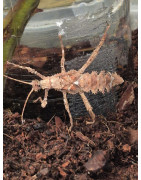
Jungle nymphs (Heteropteryx dilatata) are native to the rainforests of Malaysia, particularly the Malay Peninsula, and can also be found in parts of Thailand and Borneo. These insects thrive in humid, tropical forest environments, where they stay hidden among foliage during the day and feed at night.
-
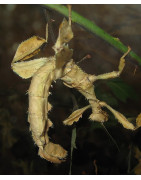
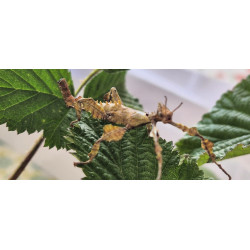
Macleay's spectres
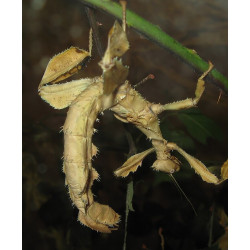
Macleay’s spectres (Extatosoma tiaratum), also known as Giant Prickly Stick Insects or Spiny Leaf Insects, are native to the forests of Australia, particularly Queensland and New South Wales. These masters of disguise thrive in warm, humid environments where they mimic dried leaves and twigs to avoid predators. During the day, they remain still and well-camouflaged, becoming active at night to feed.
-
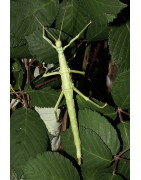
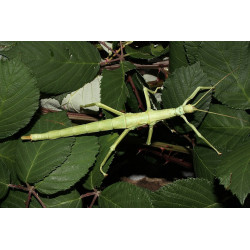
Giant Lime Greens
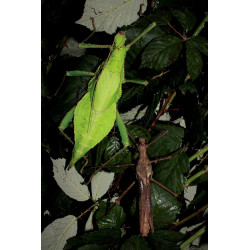
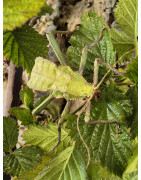
Diapherodes gigantea are large, bright green phasmids native to the Caribbean. Males are long and slender with fully developed wings and are excellent fliers; females are broader, flightless, and often a vibrant lime green. This species is peaceful and relatively easy to care for, making them ideal for both beginner and experienced keepers.
-
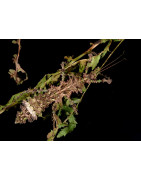
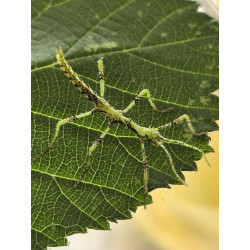
Mossy stick insect
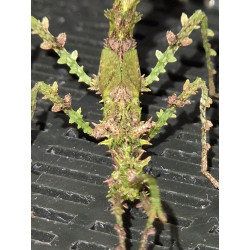
The mossy stick insect (Taraxippus samarae) is a brilliantly camouflaged species native to the rainforests of Central and South America. Its body is covered in textured, moss-like projections that break up its outline, allowing it to blend seamlessly into lichen-covered branches and bark. This remarkable disguise, combined with its slow, deliberate movements and nocturnal habits, makes it nearly invisible to predators in its damp, shaded habitat.
-
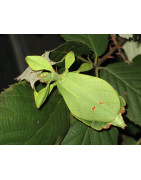
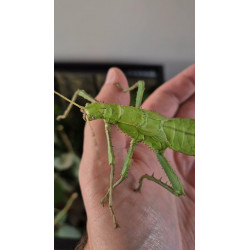
Leaf Insects
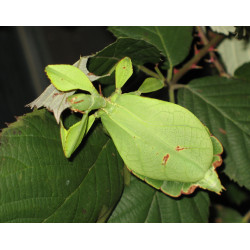
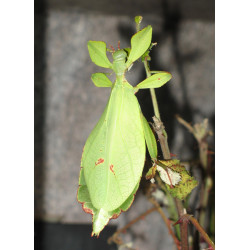
The Philippine leaf insect (Phyllium philippinicum) is a striking specialist in leafy camouflage, native to the forested islands of the Philippines. Its broad, vivid-green body perfectly mirrors a living leaf, with wing edges and even legs etched like delicate veins. By staying still through daylight hours and venturing out at night to nibble on guava and other host leaves, it blends seamlessly into the canopy and evades predators, thriving in the warm, humid climate of its tropical home.
-
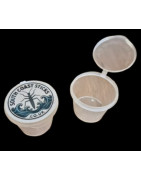
Eggs
A variety of different species stick insect eggs - care guides are available for each within the Attachments tab against them.